
Kirsty Laing Counselling
Couple And Individual Counselling

The most important relationship we have is our relationship with ourselves. Exploring therapy can feel daunting. It is also a big step towards reconnecting to yourself.
-
I work online only, with couples and individuals across the UK. I have experience supporting victims of domestic abuse, those struggling with attachment and relational issues, anxiety, depression, CPTSD, low self esteem, narcissistic abuse, neuro diversity, as well as other trauma related issues. Welcoming to all diversity including all abilities, races, sexualities, genders, working inclusively with GSDR, body sizes, religious and political values.
-
I have a deep understanding, personally, and through my work, of the pain that is felt from trauma. I believe in building a trusting, safe, and compassionate environment where clients feel truly heard. Using trauma-informed approaches my goal is to empower clients to reconnect to their emotional self with compassion, and to hold space for clients to work at their own pace.
-
My approach is to use a trained, integrated response where a client’s history and needs are explored. This results in a sense of what works best for each individual. I work with clients to connect and process emotions using various trauma informed / somatic techniques including:
Felt sense meditation
Self-compassion
EFT tapping
Emotion Focused
Communication
Inner child work
Exploration of parts of self
Nervous system regulation.
Trauma Informed Approaches I Use
-
Felt Sense
Working with the felt sense is learning to connect with our emotions in our body. All of our emotions begin in our bodies and all of our experiences are stored in our body. Learning to connect with them can help us feel safer in our emotional self.

-
Self Compassion
Slowly building compassion towards ourself creates new neural pathways in our brain. Learning, over time, to support critical parts of ourself with kindness and validation soothes anxiety, relieves depression and repairs our relationship to ourself.

-
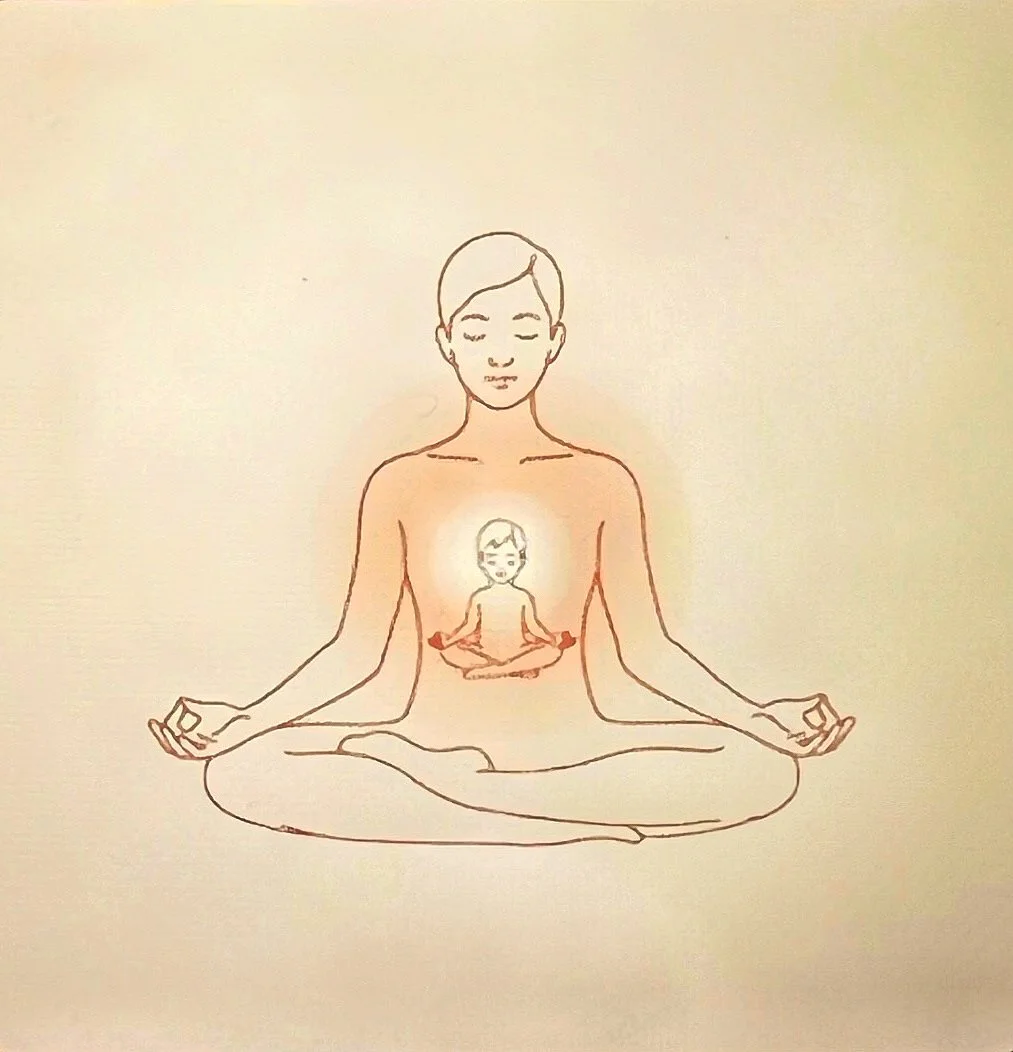
Inner Child Work
When we experience trauma, younger parts of ourself can feel stuck, trapped, alone or rejected within us. Connecting with our inner child, noticing, listening and nurturing can help to free us from overwhelm, fear, anxiety and self loathing.
-
EFT Tapping
EFT Tapping is a tool that combines tapping on acupressure points using cognitive focusing to reduce emotional dysregulation. It involves tapping on specific meridian points on the face and body with fingertips while acknowledging a negative emotion or physical issue, aiming to calm the nervous system and lower cortisol. Using this alongside therapy supports reducing emotional overwhelm when exploring trauma.
-
Exploration of Parts
According to Internal Family Systems (IFS) the mind consists of a core “Self” and multiple “Parts” that interact like a family system. Parts hold distinct thoughts, emotions, and motivations—including "managers" (proactive protectors), "firefighters" (reactive protectors), and "exiles" (wounded, vulnerable parts). Every part has a positive intention, often aiming to protect the individual, even if their actions are harmful. Exploring, naming and working with these parts with clients is a helpful way to bring more compassion and understanding to complex emotions.
-
Nervous System Regulation
Our central nervous system comprises of the Sympathetic Nervous System SNS (fight/flight) and Parasympathetic Nervous System PNS (rest/digest). With prolonged trauma and CPTSD the SNS can become overactive and our PNS loses strength. This causes dysregulation leaving us feeling stuck in fight/flight and struggling to feel able to relax or feel safe. Using various nervous system regulation tools daily builds up the PSN leaving us feeling less anxious and more at ease.





Working with Couples
Life can feel overwhelming when things are going wrong in our relationships. We are expected to know how to have a healthy relationship, even though no one taught us how. Relationship counselling is often seen as a sign of failure, something we do as a last resort. I would love to change this narrative. Relating is hard, there are so many hidden emotions that get in the way of safe connection, and when we don’t feel connected to our partner it hurts.
Things we can do
Understand Our Attachment Style
Many of us who struggle in relationships will have an anxious attachment style. It’s estimated that around 60% of the population have insecure attachment. Those with insecure attachment are also often drawn to each other. Understanding our attachment style, and how it might be playing into negative cycles in our relationship, helps us to to build awareness, bring in coping skills, and work toward a more secure connection.
Learn Emotion Focused Communication
More often than not, when interactions with our partners don’t go well, there is a deeper emotion behind our reaction. Many of our negative emotional cycles stem from trying to gain closer connection, or fear of losing connection. Unfortunately we often learn ways of coping with this fear that end up pushing our partners away. Through emotion focused communication we can understand ourselves and our partners better, regulate big emotions and have more successful connection and repair.
Build a Relationship That Thrives
In todays society there is no longer value placed on time given to cultivating our relationship. Relationships need nurture and consistency to take them from surviving to thriving. Small things often make all the difference. Creating positive cycles, noticing and meeting our partners bids for connection, regular affection, sharing our needs and boundaries with kindness, and taking time to dream, explore and delight in each other, all go a long way towards building a deeper bond